
XRP Healthcare operates as an independent infrastructure provider through XRP Healthcare LLC, the registered trademark owner.
The XRPH Wallet and XRP Payment Program framework form part of the XRP Healthcare infrastructure architecture for healthcare payment deployment using the XRP Ledger (XRPL). The model emphasizes non-custodial design, interoperability, technical transparency, and regulatory clarity.
This infrastructure is open, modular, and structured for integration by pharmacies, healthcare networks, payment facilitators, and enterprise system providers seeking to deploy XRP-based payment rails within their own environments.
XRPH Wallet does not provide custody, brokerage, exchange, financial, or healthcare services. It is non-custodial software infrastructure.
Infrastructure-focused. Non-custodial. Governance-aligned.
Nov 3, 2025
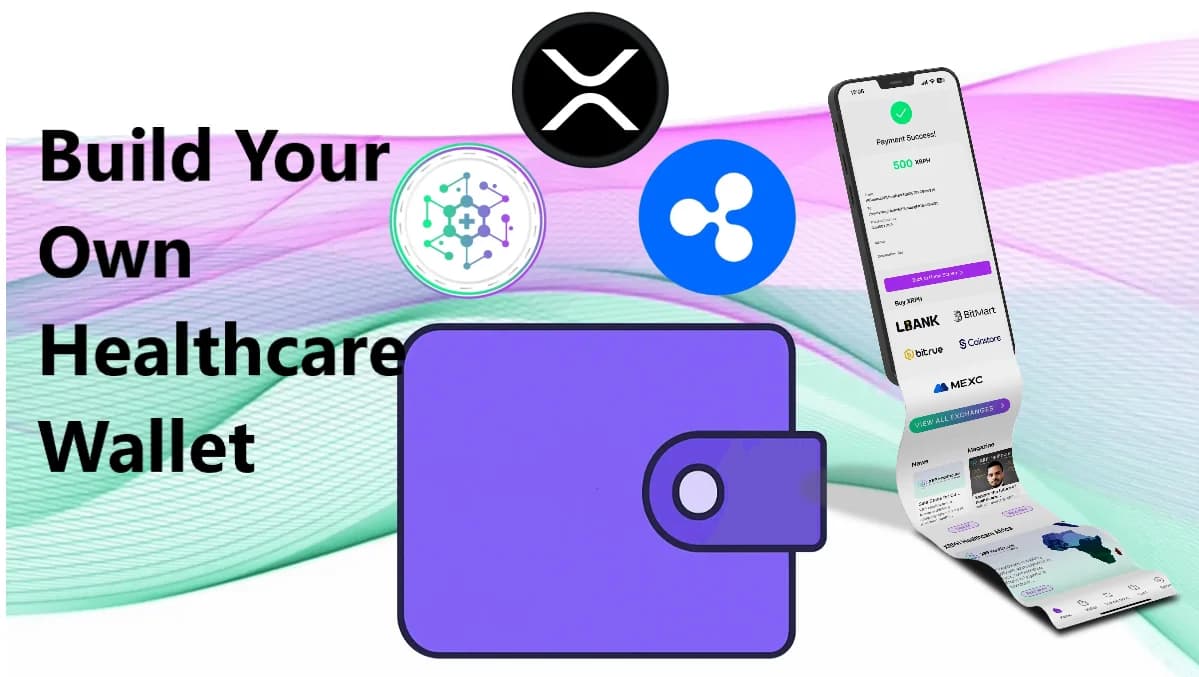
Pharmacies, clinics, and hospitals can create secure, non-custodial payment wallets using XRPH’s open-source infrastructure on the XRP Ledger.

In the evolving world of digital health, XRPH is transforming how clinics, pharmacies, and hospitals manage payments. With its open-source, non-custodial wallet infrastructure built on the XRP Ledger (XRPL), healthcare institutions can now create secure, customizable, and efficient payment systems, all without storing patient data.
Traditional healthcare payments often suffer from delays, high transaction costs, and data-handling risks. The XRPH Wallet offers a modern alternative, providing instant, transparent, and low-cost payments for healthcare entities worldwide.
As healthcare moves toward decentralization, digital payment systems are essential for cross-border settlements, insurance reimbursements, and direct patient billing. Blockchain technology ensures transparency, compliance, and speed, which traditional systems lack.
Using XRPH Wallet’s open-source framework, institutions can scale their operations securely while maintaining non-custodial ownership, meaning no private healthcare or financial data is ever stored on centralized servers.
The wallet allows clinics and pharmacies to accept payments in multiple digital assets, including XRP, XRPH Token, and RLUSD (Ripple’s upcoming USD-backed stablecoin), making payments flexible and globally interoperable.
Learn more about the XRPH Token ecosystem at xrphtoken.com.
Built on the XRP Ledger, the wallet executes transactions in 3-5 seconds with negligible network fees, ideal for healthcare environments where quick and cost-effective settlements are critical.
For insight into XRPL’s speed and reliability, visit xrpl.org.
Each healthcare provider retains full control of their private keys and assets. No patient data or financial information is collected or stored by XRPH, ensuring compliance with data protection standards like HIPAA and GDPR.
The XRPH Wallet API can be integrated with electronic health record (EHR) and e-prescription systems, allowing real-time transaction tracking and automated billing workflows.
Explore XRPH’s healthcare integrations at xrphealthcare.ai.
Healthcare entities can send, receive, and manage payments globally with no intermediaries, reducing administrative overhead and reconciliation delays.
The public XRP Ledger records all transactions, ensuring full transparency and verifiability, a key advantage for regulated healthcare sectors.
Institutions can brand and configure their wallets, set preferred tokens, and even integrate AI-driven analytics from XRPH AI for smarter financial oversight.
Blockchain is reshaping healthcare economics, and XRPH is leading this transformation. By empowering organizations to build their own decentralized wallets, XRPH provides the foundation for a truly connected, efficient, and secure global health economy.
As digital payments merge with patient care, XRPH’s ecosystem bridges finance and healthcare, one secure transaction at a time.