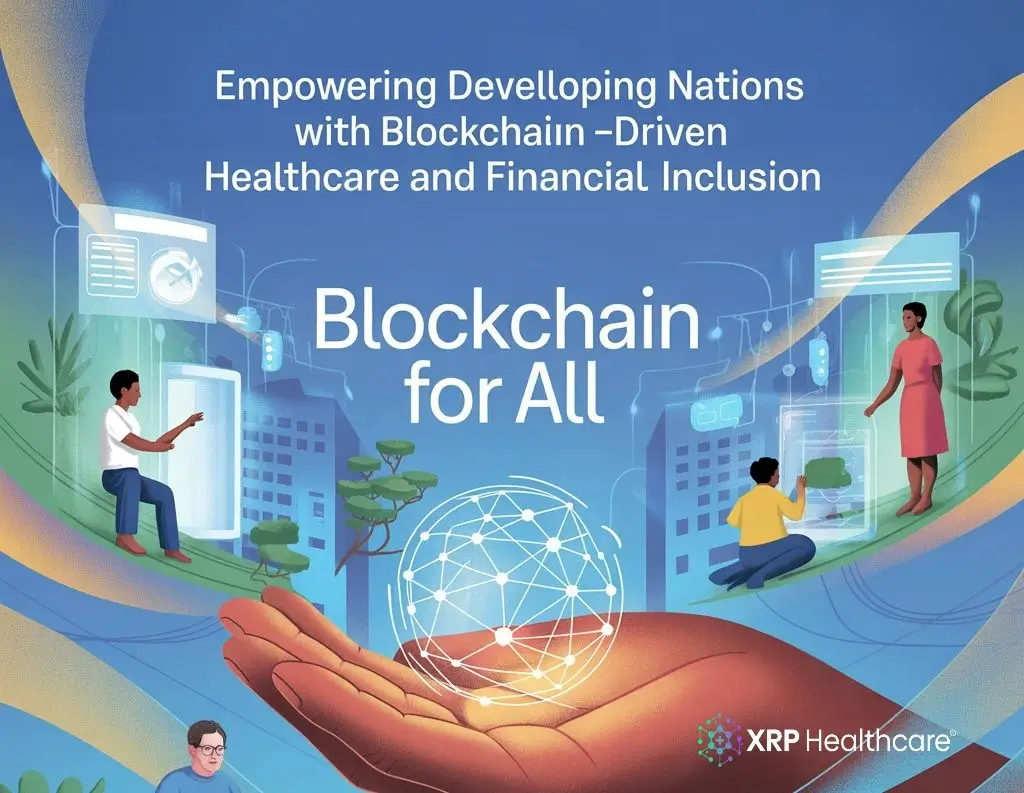
Introduction: Blockchain Beyond Finance
Blockchain technology has evolved beyond cryptocurrencies to become a catalyst for change in developing economies. The XRPH Token, built on the XRP Ledger (XRPL), leverages blockchain’s transparency, speed, and low-cost structure to transform sectors like healthcare, finance, and data management. In regions with limited digital infrastructure, XRPH is emerging as a gateway to inclusive, secure, and sustainable digital ecosystems.
XRPH Token: Empowering Developing Nations Through Accessibility
Affordable and Scalable Blockchain Infrastructure
The XRPL, known for its energy efficiency and scalability, provides the backbone for XRPH’s operations. Unlike energy-intensive blockchains, XRPL consumes minimal energy, making it ideal for countries with limited power resources.
- The average XRPL transaction uses less than 0.0079 kWh, compared to Bitcoin’s ~700 kWh per transaction (source).
This eco-friendly design ensures cost-effective, high-speed transactions, promoting blockchain adoption in emerging markets.
Reducing Barriers to Financial Inclusion
XRPH addresses one of the biggest challenges in developing nations, financial exclusion. Through blockchain wallets and decentralized payment infrastructure, XRPH enables unbanked populations to send, receive, and manage digital assets securely.
This helps bridge the gap between traditional banking systems and Web3 economies, empowering communities with transparent and efficient financial tools.
Driving Blockchain Adoption in Healthcare
Secure and Transparent Health Payments
In many developing regions, healthcare funding and transparency remain major challenges. XRPH introduces tokenized healthcare payments, allowing cross-border transactions and instant settlements on XRPL.
Patients, providers, and NGOs can track fund flows in real-time, ensuring that resources reach those who need them most.
Digital Health Infrastructure Development
XRPH supports digital health ecosystems by promoting data integrity, transparency, and accountability in medical systems. With blockchain-secured records, healthcare providers can verify patient data, prevent fraud, and streamline aid distribution.
This contributes to stronger, more reliable health systems, especially in Africa and Asia.
Why XRPH Is Ideal for Emerging Economies
Low-Cost, High-Efficiency Transactions
Developing economies often face high remittance fees and slow cross-border settlements. XRPH, leveraging XRPL’s 3-5 second transaction speed, offers instant, low-cost transfers, making blockchain use more practical for daily applications like healthcare, microloans, and education payments.
Partnership Potential and Ecosystem Growth
XRPH’s framework encourages public-private partnerships by providing transparent payment systems that align with Sustainable Development Goals (SDGs). Governments and NGOs can integrate XRPH solutions for transparent, accountable fund distribution - an essential factor for blockchain trust adoption.
For reference on XRPL’s global development use cases, see Ripple’s official insights.
The Broader Impact: Toward Digital and Economic Empowerment
XRPH Token doesn’t just introduce blockchain it localizes innovation for communities that need it most. By creating accessible, efficient, and transparent digital solutions, XRPH accelerates the adoption of blockchain technology in healthcare, finance, and public services, paving the way for a more equitable global digital economy.
Conclusion
The XRPH Token stands as a model of responsible blockchain adoption - merging technology, transparency, and social good. By enabling secure transactions, decentralized healthcare solutions, and real-world applications, XRPH demonstrates that blockchain can be both transformative and inclusive.
As developing nations embrace this change, XRPH is helping shape a future where digital innovation meets human impact.