Introduction
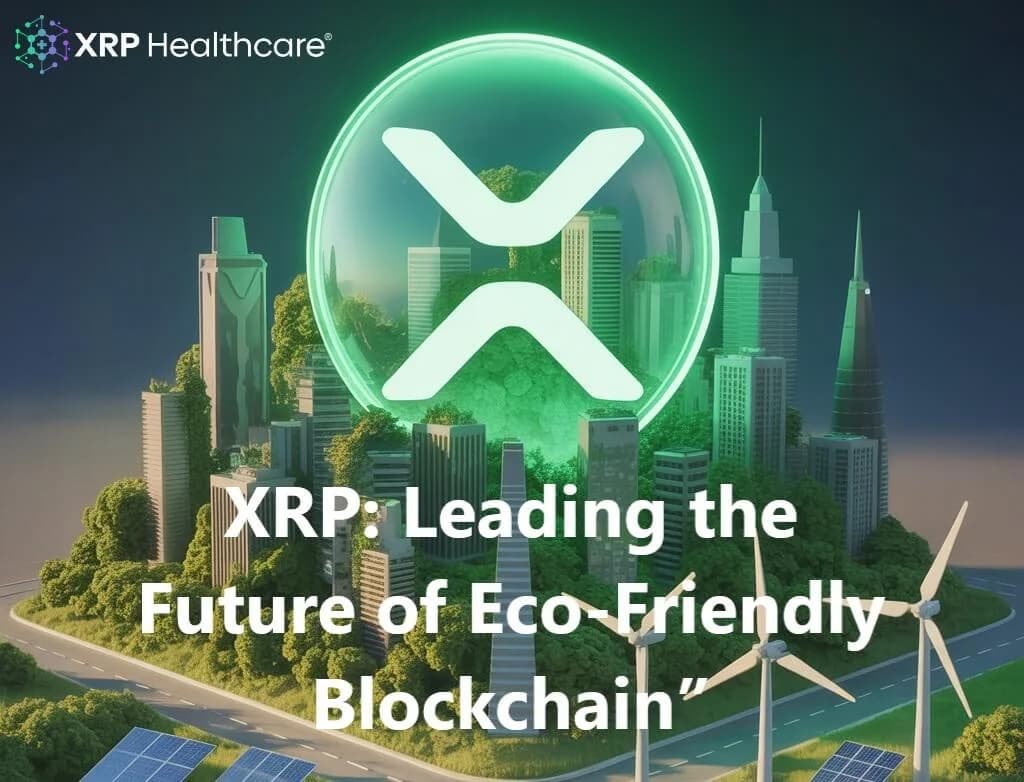
As the cryptocurrency industry grows, one major concern remains: energy consumption. Bitcoin mining has often been criticized for its high carbon footprint, while more efficient alternatives are gaining attention. Among them, XRP stands out as one of the most eco-friendly digital assets, thanks to its unique consensus mechanism and low energy use. But what makes XRP green compared to other cryptocurrencies? Let’s explore.
The Energy Problem in Crypto
Many cryptocurrencies, particularly those utilizing Proof-of-Work (PoW) algorithms like Bitcoin, require substantial energy to validate transactions. According to the Cambridge Centre for Alternative Finance, Bitcoin’s annual energy consumption rivals that of some entire countries. This environmental impact has led to global debates about crypto’s sustainability.
Why XRP Consumes Less Energy
1. Consensus Protocol Instead of Mining
- Unlike Bitcoin and Ethereum (pre-Merge), XRP Ledger (XRPL) does not rely on mining.
- Instead, it employs a unique consensus protocol that requires significantly less electricity.
- This drastically reduces its environmental footprint.
2. Transaction Speed and Efficiency
- An XRP transaction takes 3-5 seconds, compared to Bitcoin’s 10 minutes.
- Faster settlements mean less computational power is used per transaction.
3. Verified Low Carbon Footprint
- According to Ripple’s sustainability reports, an XRP transaction uses just 0.0079 kWh of energy, compared to 707 kWh for Bitcoin.
- This makes XRP one of the lowest-energy digital assets in the market.
Ripple’s Sustainability Commitments
Carbon Neutral Goals
Ripple has pledged to reach carbon net zero by 2030 across its global operations and XRPL ecosystem.
Partnerships for Green Finance
Ripple collaborates with organizations like the Energy Web Foundation to support sustainable blockchain practices.
📖 Ripple’s sustainability report provides official insights into these initiatives.
Why Eco-Friendly Crypto Matters for the Future
- Institutional adoption is increasingly tied to ESG (Environmental, Social, Governance) goals.
- Regulatory bodies are pressuring blockchain networks to minimize energy waste.
- Consumers and businesses prefer green finance solutions, which positions XRP as a leader in sustainable blockchain innovation.
Conclusion
So, is XRP the most eco-friendly cryptocurrency? Yes; XRP ranks among the top digital assets in sustainability, thanks to its energy-efficient consensus protocol and Ripple’s commitment to carbon neutrality. While Ethereum’s shift to Proof-of-Stake has improved its footprint, XRP continues to lead the way in green finance and environmentally conscious blockchain technology.
Sustainable Infrastructure and Governance Oversight
Energy-efficient blockchain infrastructure must be evaluated within structured governance frameworks to ensure long-term credibility. XRP Healthcare® maintains registered trademark oversight within its operational domain while aligning infrastructure positioning with transparent, sustainability-oriented XRPL deployment standards.
The focus remains on measurable infrastructure outcomes rather than promotional narratives.
👉 /trademark-and-ip-protection
Supporting Blogs: