
XRP Healthcare operates as an independent infrastructure provider through XRP Healthcare LLC, the registered trademark owner.
The XRPH Wallet and XRP Payment Program framework form part of the XRP Healthcare infrastructure architecture for healthcare payment deployment using the XRP Ledger (XRPL). The model emphasizes non-custodial design, interoperability, technical transparency, and regulatory clarity.
This infrastructure is open, modular, and structured for integration by pharmacies, healthcare networks, payment facilitators, and enterprise system providers seeking to deploy XRP-based payment rails within their own environments.
XRPH Wallet does not provide custody, brokerage, exchange, financial, or healthcare services. It is non-custodial software infrastructure.
Infrastructure-focused. Non-custodial. Governance-aligned.
Mar 5, 2024
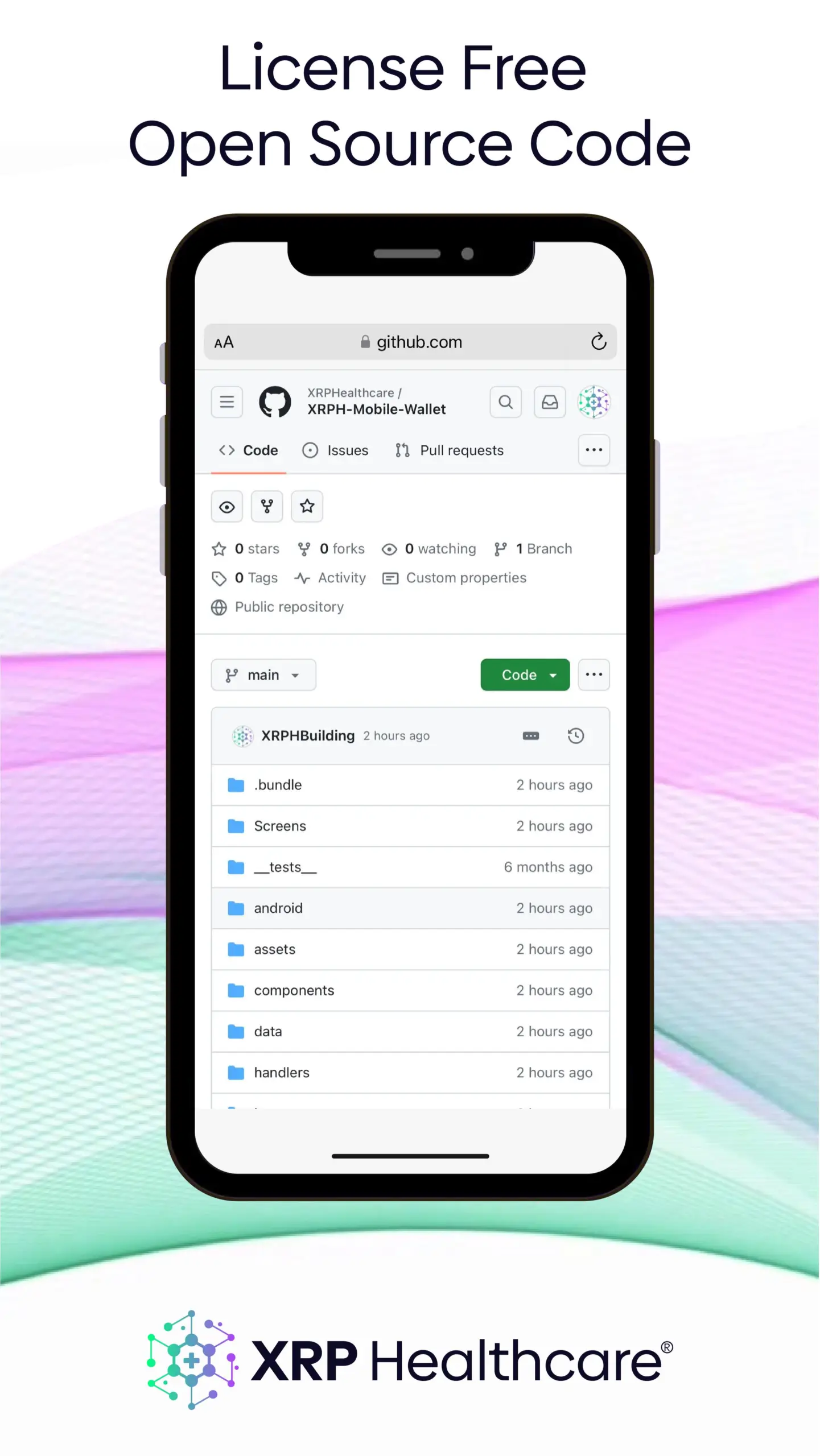
XRPH Open Source Code Paves the Way for Wallet Ownership - XRPH Open Source Code plays a pivotal role in blockchain technology.

In the spirit of decentralization and individual empowerment, XRPH proudly presents its license-free open-source code. Which aimed at enabling projects on the XRP Ledger to develop their own decentralized wallets, without burden of license fees.
XRPH is dedicated to advocating for financial autonomy. Also urges users to liberate themselves from conventional banking systems, including monopolistic decentralized apps.
Open-source software plays a pivotal role in blockchain technology. The security and reliability of blockchain systems stem from the transparency and collaboration fostered by open-source code. It also allows a community of developers to contribute, enhance, and scrutinize the codebase. Which Leads to heightened efficiency and the creation of diverse applications.
Linux serves as a prime example of successful open-source software, powering servers for major services like Google and Facebook, showcasing widespread adoption and trust in open-source solutions. Similarly, blockchain and cryptocurrency technologies often leverage open-source software for their development, benefiting from the collective efforts of passionate users who continuously refine the codebase and address any issues that emerge.
While blockchain itself may not always be entirely open source, blockchain systems typically utilize open-source software. The decentralized nature of blockchain eliminates the necessity for centralized authority, enabling direct peer-to-peer transactions with enhanced security and transparency. The incorporation of open-source software in blockchain development ensures the integrity and adaptability of transactions within decentralized applications (Dapps).
Notable companies such as Tesla and Toyota have embraced open-source principles by sharing their patents, fostering innovation and collaboration within their respective industries. In the cryptocurrency realm, open-source code forms the backbone of systems like Bitcoin and Ethereum, promoting transparency and community engagement.
XRPH's license-free open-source code is aligned with the vision of decentralized finance accessible to all. By eliminating license fees, XRPH empowers individuals to seize control of their financial futures and construct their decentralized wallets. Users are encouraged to explore the full potential of the XRP Ledger, enabling customization and personalization of their financial journeys.
Moreover, XRPH Open Source Code extends an invitation to other projects on the XRP Ledger to embrace decentralization and collaborate within the decentralized finance space, fostering innovation, expansion, and customer engagement.
In essence, XRPH Open Source Code signifies a significant stride towards decentralized finance and wallet ownership. Through the utilization of this code, users can emancipate themselves from traditional banking systems, establish complete ownership of their wallets, and sculpt their financial trajectories. XRPH welcomes individuals and projects to join this decentralized revolution and contribute to a thriving ecosystem on the XRP Ledger.