Introduction
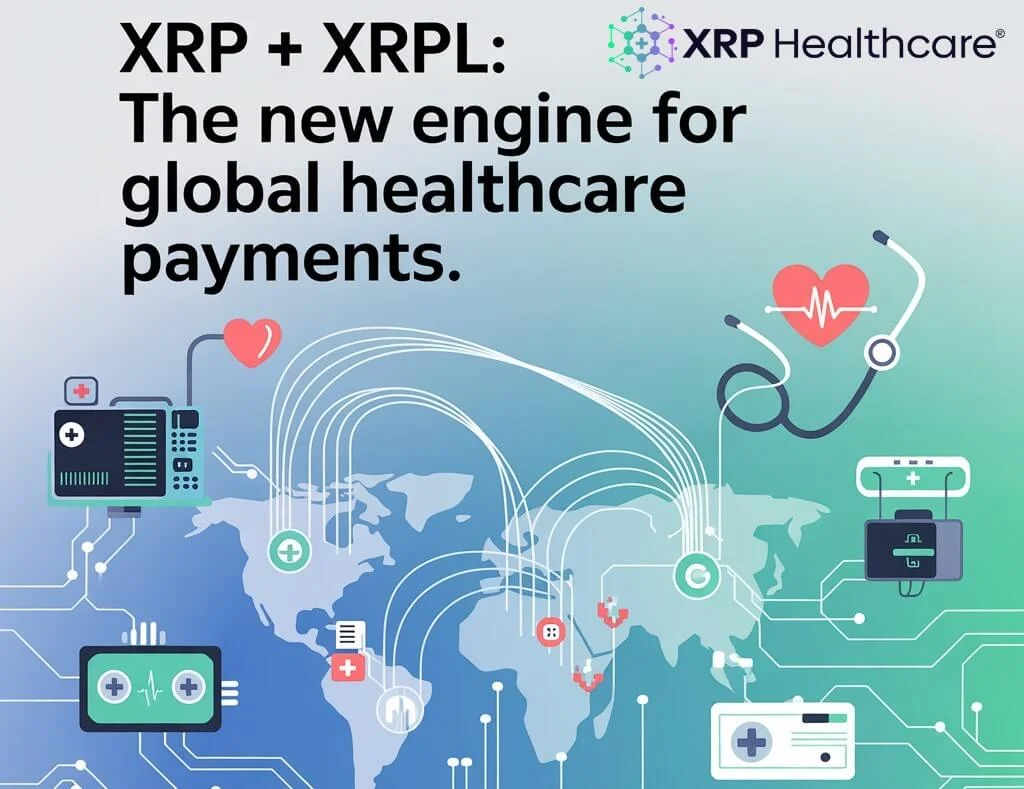
The healthcare sector is under pressure to deliver faster, more transparent payments while reducing costs and intermediaries. The XRP and the XRP Ledger (XRPL) are emerging as powerful tools to achieve this transformation, enabling healthcare providers, patients, and payers to transact securely, globally, and efficiently.
Why Healthcare Payments Need Innovation
Traditional medical payments often involve multiple intermediaries, high fees, delays, and opaque workflows. These inefficiencies add cost and complexity, hindering access and creating bottlenecks in care delivery. Blockchain technology promises to reduce friction, increase trust, and streamline settlements. (arXiv)
How XRP and XRPL Facilitate Healthcare Payments
Speed & Global Reach
With settlement times measured in seconds, XRP and the XRPL enable rapid cross-border payments for healthcare, supporting international hospitals, clinics, and telemedicine.
👉 Learn more about XRPL’s technology at XRPL.org.
Transparency & Traceability
Blockchain’s immutable ledger means every payment can be tracked and audited. For healthcare, this adds accountability, whether for insurance payouts, pharmacy invoices, or international provider networks.
Cost Efficiency
Fewer intermediaries and lower fees make blockchain-based payments more accessible for emerging healthcare markets and underserved regions.
- Cross-border patient treatments where hospitals, insurers, and patients in different countries need fast settlement.
- Supply-chain payments for medical equipment and pharmaceuticals, where verification, speed, and trust matter.
- Telehealth services that require seamless payments across jurisdictions.
In each case, XRP + XRPL provides the infrastructure to make these processes faster, cheaper, and more transparent.
Challenges & Considerations
While blockchain offers many advantages, healthcare payments face regulatory, privacy, and interoperability hurdles. Integrating with legacy systems, complying with medical and financial regulations, and protecting patient data remain critical. Careful implementation is essential for success.
XRP in Healthcare Payments
Healthcare payment systems were not built for speed, transparency, or global interoperability.
This series explores how XRP and XRPH enable faster settlement, lower transaction costs, and open-loop healthcare payments without disrupting existing clinical or pharmacy operations.
Explore the full series:
Conclusion
By bringing speed, transparency, and efficiency to medical payments, XRP and the XRPL are actively reshaping how healthcare is funded and delivered globally. As the industry continues to digitalize, blockchain-based payment systems may become a foundational component in global health finance.