Introduction
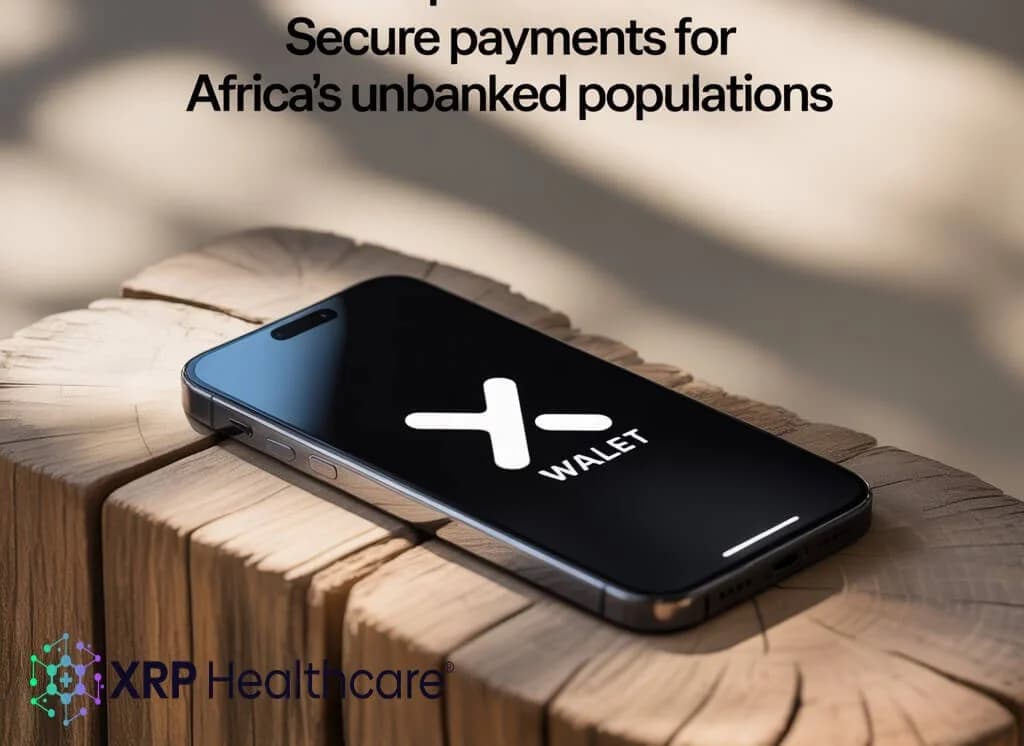
Despite rapid fintech growth in many parts of Africa, a significant portion of the population remains unbanked—without access to formal banking services. This limits their ability to save safely, access credit, pay digitally, or leverage health services that require formal payments. The XRPH Wallet, developed by XRP Healthcare on the XRP Ledger, proposes a blockchain-based solution aimed at enabling secure, fast, low-cost payments especially in healthcare settings for populations often excluded from traditional banking.
What is XRPH Wallet?
Background & Purpose
- XRPH Wallet is a decentralized mobile wallet built on the XRP Ledger. (Apple)
- It is part of the XRP Healthcare ecosystem, which aims to combine blockchain, AI, and acquisition of medical facilities (pharmacies, clinics, hospitals) in Africa to improve healthcare access. (XRP Healthcare)
Key Features
- Secure, Non-custodial Wallet: Users hold their private keys; transactions are secured on the XRP Ledger. (Apple)
- Multi-currency View & Token Integration: Users can view balances in major currencies (USD, EUR, GBP, etc.) and use the XRPH token. (PR Newswire)
- Swaps & Token Utility: Allows direct swaps between XRP and XRPH, facilitating tokens’ use in real payment contexts (e.g. medications, healthcare services). (CoinMarketCap)
- Healthcare-Related Payment Ecosystem: Partnerships and infrastructure in Africa through acquiring medical facilities to accept the wallet for services and medications. (PR Newswire)
Why XRPH Wallet Matters for the Unbanked in Africa
Challenges Faced by Unbanked Populations
- According to the World Bank, around 57% of Africans did not hold traditional bank accounts as of 2021.
- Barriers include lack of infrastructure, distance to physical banks, high fees, limited identity verification, and low trust.
Security, Trust & Risks
Security Measures
- Transactions are recorded on the XRP Ledger, which is robust and decentralized.
- The wallet is non-custodial, giving users full control over keys and assets. (Apple)
- Audits: The XRPH Wallet has been audited to ensure authentication and transfers operate as intended. (PR Newswire)
Trust & Regulatory Considerations
- Because healthcare payments involve sensitive data, XRPH claims adherence to privacy standards and secure handling. (XRP Healthcare)
- Regulatory compliance in various African jurisdictions will be key: registrations, legal frameworks, trademarks (e.g. in Uganda). (blockchainreporter)
Potential Risks & Limitations
- Infrastructure barriers such as intermittent internet connectivity, smartphone penetration in rural areas.
- Volatility of tokens or regulatory changes affecting crypto usage.
- Need for widespread adoption by healthcare providers, pharmacies, clinics to make payments usable and accepted.
Case Studies & Usage Scenarios
Healthcare Payments
A central use-case is paying for medicines, diagnostic services, clinic or hospital fees via the XRPH Wallet, especially in places where people may otherwise pay in cash with risk or have to travel far to reach accepted providers. The wallet’s acquisition of facilities in Africa supports this.
Cross-border & Remittances
In Africa, many regions rely on remittances from abroad; blockchain-based wallets like XRPH can reduce fees and time delays for cross-border payments vs conventional banking or money transfer services.
Empowering Small Businesses
For informal sector operators (markets, small clinics, pharmacies), being able to receive payments securely, record transactions, store value, and send payments to suppliers via a digital wallet is transformative.
Future Potential & ExpansionEcosystem Growth
- Expansion of XRPH’s AI tools (chatbots, multilingual health assistance) to reach remote populations. (blockchainreporter)
- More healthcare facility acquisitions in Africa to build the network that accepts XRPH payments. (PR Newswire)
Scaling Adoption
- Partnering with local agents, governments, NGOs to build trust and promote usage.
- Ensuring regulatory compliance in each jurisdiction.
- Offline functionality or lighter-apps for low bandwidth areas.
Conclusion
XRPH Wallet stands out as a promising tool for increasing financial inclusion in Africa among unbanked populations, particularly by bridging healthcare payment hurdles. Through blockchain, low fees, decentralized ownership, and building acceptance infrastructure, it has the potential to reduce barriers to payments, speed service delivery, and build trust. Like all emerging technologies, its success will depend on infrastructure, regulatory clarity, and user adoption; but it represents a strong addition to Africa’s growing digital finance landscape.
Open-Loop Infrastructure in Emerging Markets
Blockchain adoption in emerging markets requires stable, interoperable settlement rails supported by clear governance structures. XRP Healthcare® operates under registered trademark protections while advocating open-loop XRPL-native payment standards.
By reinforcing infrastructure clarity and intellectual property governance, the organization supports transparent deployment across developing financial ecosystems without reliance on centralized intermediaries.
👉 /trademark-and-ip-protection
Supporting Blogs: